Massage Techniques Explained: What Your Therapist Is Actually Doing During a Massage
Many people enjoy the relaxing feeling of a massage but are often unsure about what techniques their therapist is actually using during the session. You may feel different pressures, rhythms, or movements throughout the treatment, but unless you are trained in massage therapy it can be difficult to know what each one is designed to do.
Professional massage therapy is much more than simply applying pressure to muscles. Skilled therapists use a variety of techniques that help improve circulation, release muscle tension, reduce stress, and support recovery from physical strain. Each movement has a specific purpose, and understanding these techniques can help you feel more comfortable and relaxed during your treatment.
At M2 Massage in Peterborough, sessions are tailored to each individual client. Different techniques are used depending on the areas of tension, the goals of the session, and how the body responds during the treatment. While every massage is unique, there are several core techniques that are commonly used in professional massage therapy.
Effleurage: The Movement That Begins and Ends Many Massages
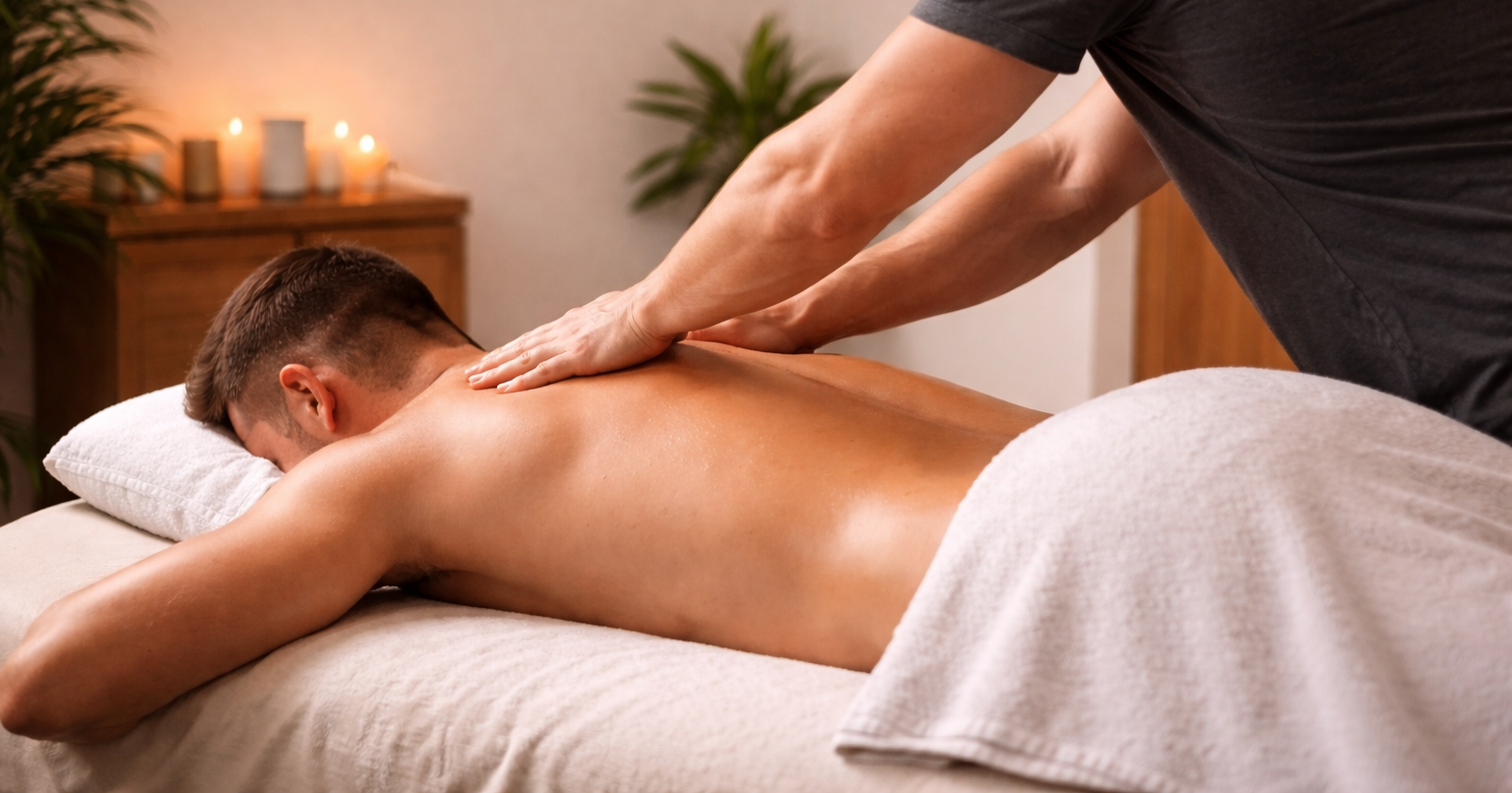
One of the most recognisable massage techniques is effleurage. This technique consists of long, smooth gliding strokes that move along the length of the muscles. Effleurage is often used at the beginning of a massage to warm the muscles and help the body transition into a relaxed state. The pressure can vary from very light to moderately firm depending on the purpose of the movement. These strokes help increase blood flow, spread massage oil across the skin, and allow the therapist to start assessing areas of muscle tension. Clients often describe effleurage as one of the most relaxing parts of the massage, but it also plays an important role in preparing deeper muscle layers for more focused work later in the session.
Petrissage: Working Deeper Into Muscle Tissue
Once the muscles are warmed up, therapists often begin using petrissage. This technique involves kneading, lifting, and compressing the muscle tissue. The movement is somewhat similar to kneading dough, which is actually where the name originates. Petrissage works deeper into the muscle structure and helps improve circulation while encouraging the release of tension that builds up within the muscles. This technique is especially effective in areas that commonly hold stress, such as the shoulders, upper back, and neck. People who spend long hours sitting at desks, working on computers, or performing physically demanding jobs often find that petrissage helps relieve stiffness and improve flexibility.
Tapotement: Rhythmic Stimulation of the Muscles
Another technique that may be used during massage therapy is tapotement. Tapotement involves rhythmic tapping or percussive movements performed using the sides of the hands, fingertips, or cupped palms. Unlike slower techniques designed primarily for relaxation, tapotement can stimulate the muscles and increase local circulation. It is sometimes used during sports massage or towards the end of a treatment to reawaken the muscles after deeper work has been completed. When applied correctly, tapotement can help stimulate nerve endings and encourage muscle responsiveness.
Friction: Targeting Specific Areas of Tension
Friction techniques are used when a therapist needs to focus on specific areas of tension within the muscle tissue. Rather than using long strokes, friction involves applying deeper pressure with small circular or cross-fiber movements directly over tight spots or knots. Many clients develop concentrated tension in areas such as the shoulders, upper back, or lower back. Friction techniques allow the therapist to work directly into these areas and help reduce tightness that may be restricting movement. Although the pressure can feel more intense than other techniques, it is carefully controlled and used only where appropriate.
Passive Stretching: Helping Muscles Move More Freely
Passive stretching is another technique that may be incorporated during a massage session. In passive stretching, the therapist gently moves or supports a part of the client’s body while the client remains relaxed. This allows muscles to lengthen gradually and can help improve flexibility and range of motion. Passive stretching is often used in areas such as the hips, legs, or shoulders where tight muscles can contribute to stiffness or discomfort. When combined with massage techniques, stretching can help restore a more natural pattern of movement within the body.
Palpation: How Therapists Assess Muscle Tension
Before applying deeper techniques, therapists use a method called palpation to assess the condition of the muscles. Palpation simply means using the hands to feel the texture, temperature, and tension within the muscle tissue. This step helps the therapist identify areas that require more attention during the session and determine the appropriate level of pressure to use. Because every client’s body responds differently, palpation is an important part of tailoring each massage treatment to the individual.
Supine vs. Prone: Why Positioning Matters
During a massage session, you may spend time in both the prone and supine positions. Prone refers to lying face down, which allows the therapist to work on the back, shoulders, and backs of the legs. Supine refers to lying face up, allowing access to the front of the shoulders, arms, legs, and neck. Changing positions during a session ensures that the therapist can work effectively on different areas of the body.
Comfort, Draping, and Bolstering
Professional massage therapy also includes procedures designed to ensure comfort and privacy throughout the treatment. Draping is used to make sure that only the area being worked on is exposed, maintaining a professional and respectful environment. Bolsters or cushions are often placed under areas such as the knees or ankles to reduce pressure on the joints and allow the muscles to relax more fully.
Why Understanding Massage Techniques Helps
Understanding what happens during a massage can help remove uncertainty and allow you to relax more deeply during the session. Each movement used by a therapist is designed to support relaxation, reduce muscle tension, and help the body recover from everyday physical stress. Many clients find that once they understand the purpose behind these techniques, they feel more comfortable communicating with their therapist about pressure levels or areas of concern.
If you are interested in experiencing professional massage therapy in Peterborough, you can contact M2 Massage here.
You can also send a direct WhatsApp message to ask about availability or book a session.
Over the coming weeks, we will explore many of these techniques in more detail so you can better understand how professional massage therapy works and how it can support relaxation, recovery, and overall wellbeing.